Why do I need an EICR?
Electrical systems in homes and businesses are subject to deterioration over time. This is due to factors such as changes in technology, incorrect installation, and physical damage.
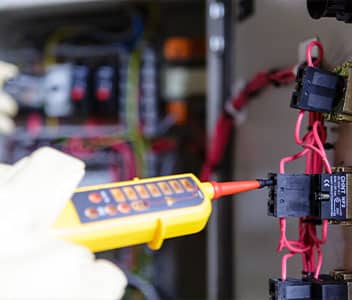
As a result, it is important to have an up-to-date electrical installation condition report (EICR). An EICR assesses the condition of an electrical system and identifies any areas of deterioration.
This information is used to ensure that the system is safe and fit for purpose. It also helps to identify any potential hazards, such as loose wiring or overloaded circuits.
Without an EICR, it would be difficult to ensure that a property’s electrical system is safe and compliant with current standards.
What does an EICR cover?
An electrical installation condition report (EICR) is a document that assesses the safety and condition of an electrical installation.
It is carried out by a qualified electrician and covers the following areas:
- The suitability of the electrical installation for its intended use
- The function of all safety devices, including earthing arrangements
- The adequacy of the protective bonding arrangements
- The carefulness and quality of the workmanship
- The extent to which the installation has been damaged or altered since it was last inspected
An EICR is not a service or maintenance procedure, but rather a check to ensure that an electrical installation is safe and fit for purpose.
If any problems are found, the electrician will provide recommendations for rectifying them.
How often does an EICR need to be done?
An electrical installation condition report (EICR) is an important safety check that should be carried out on all electrical systems and equipment.
The frequency of these checks will vary depending on the type of system and the environment in which it is used.
For example, systems that are used in harsh or outdoor environments will need to be checked more often than those that are used in clean, indoor environments.
In general, however, it is recommended that an EICR be carried out every five years.
This will help to ensure that any potential safety hazards are identified and addressed in a timely manner.
Do Landlords need an EICR?
Landlords are responsible for ensuring that their rental properties are safe and up to code. This includes maintaining the electrical system.
In the UK, landlords must have an Electrical Installation Condition Report (EICR) carried out every five years by a qualified electrician.
The EICR will check the condition of the property’s wiring and identify any potential hazards. This report is important not only for the safety of tenants, but also for the landlord’s liability insurance.
Without an up-to-date EICR, landlords may be held responsible for any accidents or injuries that occur as a result of electrical faults.
For this reason, it is essential that landlords keep on top of their electrical maintenance and make sure that an EICR is carried out every five years.
Why Choose Point Electrical for your EICR?
Here at Point Electrical we pride ourselves on providing a high quality, professional service. We are accredited by the NICEIC and all of our electricians are fully qualified.
We carry out electrical installation condition reports (EICR) for both domestic and commercial properties.
An EICR is an important safety check that should be carried out every few years to ensure that your electrical installation is safe and up to scratch.
We will thoroughly inspect your property and provide you with a detailed report, highlighting any areas of concern.
We can then work with you to rectify any issues, ensuring that your property is safe and compliant with current regulations.
Contact us today to book your EICR.